
Why Winter Park, Fraser, and Grand County Require a 24 7 Local STR Emergency Contact

A short-term rental problem rarely waits for a convenient hour. A guest gets locked out at 11:40 p.m. A hot tub starts leaking during a snowstorm. A neighbor calls about noise after midnight. If the owner is several states away, the town still expects someone local to answer, take responsibility, and fix the issue.
That is why Winter Park, Fraser, and Grand County require short-term rental operators to name a local emergency contact or responsible agent who can be reached 24/7. This is not just a customer service preference. It is part of how these communities regulate STRs, protect neighborhoods, and make sure vacation rentals do not shift the burden of private property management onto neighbors, police, or code enforcement.
This guide is for informational purposes only and is not legal advice. STR rules can change, and owners should review the current municipal or county code before applying for or renewing a license.

Local response is built into STR licensing rules
Winter Park, Fraser, and Grand County all treat short-term rentals as regulated uses. That means an owner generally needs to register, obtain a license or permit, follow operating standards, and remain reachable when the property is occupied.
The local contact requirement is one of the most practical parts of those rules. It gives the town, county, guests, and neighbors a real person to call when something goes wrong.
In Winter Park, owners often see this requirement connected to the town’s STR licensing framework, including regulations such as Winter Park Ordinance 552. Municipal ordinances like this help define how short-term rentals are licensed and managed, including the role of a local responsible party. Exact language and requirements should always be checked in the current town code, but the core expectation is clear: an STR must have someone available to respond to problems at any hour.
Fraser and Grand County use the same basic logic. If a home operates as visitor lodging, the government needs confidence that the property has active oversight. A guest complaint, neighbor concern, safety issue, or maintenance failure cannot sit unanswered until the owner wakes up in another time zone.
A local emergency contact usually needs to be:
Available 24/7
Able to communicate with guests, neighbors, and officials
Close enough to respond within the required local timeframe
Authorized to solve problems, not just pass along messages
Listed accurately on the license, permit, or registration materials
The phrase “local contact” can sound simple, but it carries real responsibility. The person cannot be a name on paper only. They must be able to act.
What a 24/7 local contact does when things go wrong
A short-term rental emergency is not always dramatic. Sometimes it is a small issue that becomes serious because no one responds.
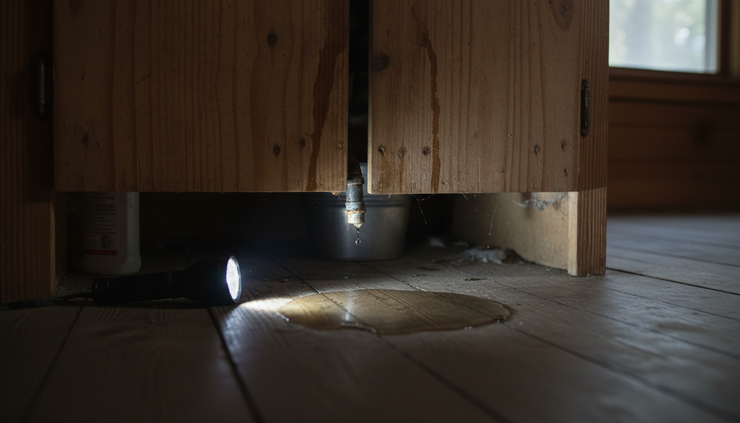
A guest who cannot operate the thermostat may become angry, leave a poor review, or call the town if the home becomes too cold. A neighbor who hears loud music may first send a polite text, then call law enforcement if no one answers. A minor water leak under a sink can become property damage if nobody sends help quickly.
The local responsible agent fills the gap between remote ownership and local reality.
Late-night guest noise needs a fast human response
Noise complaints are one of the most common reasons mountain communities regulate STRs closely. A group may come back from dinner, use the hot tub, play music outside, or gather on a deck without realizing how far sound carries in a quiet neighborhood.
If the owner lives out of town, a local contact can respond by:
Calling or texting the guest immediately
Reminding the guest of quiet hours and house rules
Visiting the property if the situation does not improve
Documenting what happened and how it was handled
Communicating with a neighbor or responding official when appropriate
Fast response matters because the issue is often solvable in minutes. Guests may comply once a real person contacts them. Without that response, the complaint can escalate into a formal record, a citation, or a license review.
A strong STR program does not rely on neighbors tolerating problems. It gives them a reliable way to reach someone accountable.

Maintenance crises need someone who can open the door
Some emergencies require physical access to the property. A remote owner can call a plumber, but someone may still need to meet the vendor, authorize work, shut off water, or move guests to a safe area.
Common STR maintenance crises include:
Frozen pipes or burst water lines
Heating failures during cold weather
Electrical issues
Gas odors or carbon monoxide alarms
Lock failures
Hot tub leaks
Roof leaks or ice-related damage
Appliance failures that affect habitability
In Grand County’s winter conditions, delay can be expensive. A heating issue is not a routine complaint when temperatures drop below freezing. A water leak can damage floors, drywall, neighboring units, and shared building systems.
A local contact protects both the guest and the asset. They can inspect the problem, make judgment calls, and prevent avoidable damage while the owner remains informed.
Guest safety issues need clear authority
If a guest reports a safety concern, the contact person needs authority to act. That may mean calling emergency services, arranging repairs, documenting the issue, or telling guests not to use a feature such as a fireplace, hot tub, deck, or appliance until it is checked.
A local agent who has to ask the owner for every small decision may not meet the spirit of the requirement. The better model is simple: the owner sets clear boundaries in advance, and the local contact has permission to handle urgent issues.
For example, an owner might authorize the agent to approve emergency repairs up to a certain amount, call specific preferred vendors, or relocate guests if the property becomes unsafe. Those details should be written into the management agreement or local contact instructions.
Why towns require local contacts in the first place
Local governments do not require a 24/7 contact just to add paperwork. They require it because short-term rentals operate inside residential communities, often beside full-time residents who expect peace, parking access, safety, and accountability.
In places like Winter Park and Fraser, STRs also serve visitors who may not know local rules. Guests may be unfamiliar with:
Snow removal expectations
Trash and bear safety rules
Parking limits
Quiet hours
Fire restrictions
Hot tub etiquette
Mountain road and driveway conditions
That gap between guest behavior and local standards creates risk. The local contact requirement helps close it.
Issue | Why a local contact matters |
Noise complaints | Someone can contact guests quickly before neighbors call enforcement. |
Parking problems | A local agent can direct vehicles to approved spaces or arrange towing if needed. |
Trash violations | Someone nearby can secure bins, clean up, or correct guest instructions. |
Safety concerns | A responsible party can assess the home and contact emergency services or vendors. |
Maintenance failures | Local access helps prevent damage and guest displacement. |
Code enforcement calls | Officials have a direct contact who is tied to the STR license. |
For the town or county, the contact person creates a clear chain of responsibility. For the owner, that chain can protect the license.
A responsible agent helps protect the STR license
For out-of-town owners, the license is the foundation of the rental business. Losing it can mean canceled bookings, lost revenue, disappointed guests, and a long path to regain approval.
That is why the local contact requirement should be treated as a license protection tool, not a minor administrative item.
When a complaint reaches enforcement, officials often look at what happened next. Did the owner or agent answer? Did anyone respond within the required time? Was the issue corrected? Did similar complaints happen again?
A designated local responsible agent can help show that the owner is operating in good faith.
Fines often follow nonresponse
A single complaint does not always lead to the harshest penalty. Nonresponse is what makes problems worse.
If a town calls the listed emergency contact and nobody answers, that can create a separate compliance issue. If the same thing happens more than once, the owner may face fines, license conditions, or a suspension process depending on the jurisdiction’s rules.
Common enforcement triggers include:
Failure to maintain a valid local contact
Failure of the contact to respond
Repeated noise or nuisance complaints
Unsafe conditions at the property
False or outdated license information
Operating without a valid STR license
Violations of occupancy, parking, or trash rules
Exact penalties vary by location and can change. Winter Park, Fraser, and Grand County each have their own current procedures, fee schedules, and appeal rights. The key point is that a valid 24/7 contact gives the owner a better chance to fix the problem before it becomes a more serious licensing matter.
Suspension risk grows when problems repeat
Most STR programs distinguish between an isolated mistake and a pattern. A late-night hot tub complaint that gets resolved quickly may be documented and closed. Repeated complaints with no meaningful response can put the license at risk.
A local agent helps break that pattern. They can spot recurring issues and recommend changes, such as:
Updating quiet-hour language in the guest guide
Moving outdoor speakers or removing them entirely
Adding clearer parking signs
Installing a compliant noise monitoring device where allowed
Improving trash instructions
Scheduling more frequent hot tub or property checks
Screening guests more carefully for high-risk stays
Good compliance is not just reacting to complaints. It is learning from them.
Documentation can matter later
If a property owner ever needs to respond to an enforcement notice, documentation helps. A responsible agent can keep records that show what happened, when it happened, and how the owner corrected it.
Useful records may include:
Time-stamped guest messages
Call logs
Notes from site visits
Vendor invoices
Photos of corrected issues
Neighbor communication summaries
Copies of house rules sent to guests
This recordkeeping should be simple and factual. The goal is not to argue with every complaint. The goal is to show responsible management.
Why Your STR Needs a Reliable Local Emergency Contact
The right person is not just nearby. They are dependable, calm, and authorized to act.
Some owners use a professional property manager. Others name a trusted local caretaker, maintenance provider, or responsible agent. The best choice depends on the property size, rental frequency, owner availability, and guest expectations.
A strong local contact should understand:
Local STR rules in Winter Park, Fraser, or Grand County
The property’s layout, access codes, utilities, and shutoffs
Guest communication standards
Basic emergency judgment
Vendor relationships
Documentation habits
When to call 911 or local emergency services
The owner should also make sure the contact information stays current. If a manager changes, a phone number stops working, or a backup person is no longer available, the license record may become inaccurate. That can create avoidable risk.
Give the agent real authority
A local contact who cannot make decisions may not be able to solve urgent problems. Owners should decide in advance what the agent can approve.
Useful instructions include:
The maximum amount the agent can spend on emergency repairs
Preferred plumbers, HVAC technicians, locksmiths, cleaners, and hot tub vendors
Backup vendors if the first choice is unavailable
When to contact the owner before acting
When to move guests or refund a night
Where to find water shutoffs, breaker panels, and spare supplies
How to handle police, fire, or code enforcement contact
These details reduce hesitation. In an emergency, hesitation costs time.
Do not list someone as a courtesy
Some owners are tempted to list a friend or neighbor just to satisfy the application. That can backfire. If the person does not answer late-night calls, cannot drive to the property, or does not want to handle guest conflict, the owner still carries the risk.
A local contact should know they are listed, understand the responsibility, and agree to the role. They should also have a backup plan for illness, travel, poor cell coverage, or weather.
In mountain communities, “available” means more than owning a phone. Roads close. Snow piles up. Cell service can drop. A reliable system accounts for those realities.

What out-of-town owners should do before the next booking
A compliant STR operation is easier to maintain when the system is set before guests arrive. Owners should not wait for a complaint to find out whether the listed contact can respond.
Before the next stay, review the basics:
Confirm the current rule
Check the current Winter Park, Fraser, or Grand County STR requirements that apply to the property. Do not rely on old application paperwork or secondhand summaries.
Verify the listed contact
Make sure the town or county has the correct name, phone number, and any required contact details.
Test response expectations
Ask what happens if the contact receives a midnight call about noise, heat, water, or access. The answer should be specific.
Prepare emergency instructions
Share access codes, utility shutoff locations, vendor contacts, HOA details, and guest relocation preferences.
Update guest rules
Quiet hours, parking, trash, occupancy, smoking, pets, and hot tub use should be clear before arrival.
Keep a complaint log
Record incidents and fixes, even small ones. Patterns are easier to correct when they are visible.
Name a backup
A single person may not be enough during storms, holidays, or peak ski weekends.
The goal is simple: when something goes wrong, the first response should come from the owner’s team, not from frustrated neighbors or enforcement officers.
The real reason 24/7 local contacts matter
Winter Park, Fraser, and Grand County require local STR emergency contacts because short-term rentals need real-time accountability. Guests need help. Neighbors need a way to resolve problems. Local governments need confidence that licensed properties will not become unmanaged nuisances.
For out-of-town owners, the requirement protects more than community peace. It protects the license that makes the rental possible.
A reliable local responsible agent can calm a noisy deck, meet a plumber in a snowstorm, answer a code enforcement call, and document the fix. That presence turns a potential violation into a managed incident.
The best time to build that system is before the phone rings at midnight.


Comments